How to Score Top Marks in ICSE Class 10 Board Exams: 10 Proven Strategies
The ICSE Class 10 Board Exams are known for their detailed syllabus, strong emphasis on English, and application-based questions. Many students believe scoring 90%+ in ICSE is difficult, but with the right preparation strategy, it is absolutely achievable.
The secret isn’t studying for longer hours—it’s studying consistently, practicing regularly, and understanding how to present answers effectively.
Here are 10 proven strategies followed by successful ICSE students.
1. Understand Concepts Instead of Memorizing
ICSE examinations often test your understanding rather than rote learning.
Instead of memorizing answers, focus on:
Strong concepts make it easier to answer analytical and application-based questions.
2. Give Special Attention to English
English plays an important role in the ICSE curriculum.
Regularly practice:
-
Grammar
-
Essay writing
-
Letter writing
-
Comprehension
-
Literature answers
Improving your language skills can significantly increase your overall percentage.
3. Study from the Prescribed Textbooks
Always complete your school-prescribed textbooks before referring to additional guides.
Pay attention to:
-
Definitions
-
Examples
-
Maps and diagrams
-
Exercises
-
Literature texts
Your textbooks remain the foundation of board exam preparation.
4. Practice Answer Writing Regularly
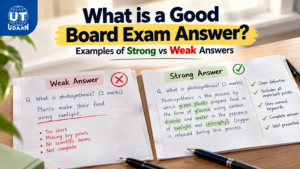
ICSE board exams require clear, well-structured, descriptive answers.
Practice:
Writing regularly improves speed, presentation, and confidence.
5. Solve Previous Years’ Question Papers
Previous years’ papers help you:
-
Understand the exam pattern.
-
Identify important topics.
-
Improve time management.
-
Become familiar with different question styles.
Try solving papers within the actual exam time limit.
6. Revise Every Week
Revision is essential for long-term retention.
A simple revision schedule includes:
Regular revision reduces stress and boosts confidence.
7. Improve Answer Presentation
A well-presented answer sheet is easier to evaluate.
Always:
-
Write neatly.
-
Underline important keywords.
-
Use headings where appropriate.
-
Draw clean, labelled diagrams.
-
Number answers correctly.
Good presentation helps ensure your knowledge is reflected clearly.
8. Learn from Your Mistakes
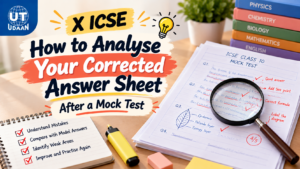
After every test:
Learning from mistakes is one of the fastest ways to improve.
9. Practice Through Chapter-wise and Full Syllabus Tests
Reading alone is not enough to score high marks.
Regular testing helps students:
A structured ICSE Board Test Series with chapter-wise tests, full syllabus mock papers, teacher evaluation, and model answers gives students valuable feedback and helps them understand how to write high-scoring answers.
Regular practice under exam conditions makes a noticeable difference in final board exam performance.
10. Stay Healthy and Positive
Good preparation also requires good health.
Make sure you:
A healthy mind performs better during examinations.
Final Thoughts
Scoring top marks in the ICSE Class 10 Board Exams is achievable through consistent study, conceptual understanding, answer-writing practice, and regular revision.
Remember, success comes from combining classroom learning with disciplined self-study and continuous practice.
The more you practice under exam conditions and learn from teacher feedback, the more confident you’ll be on the day of your board examination.
Frequently Asked Questions (FAQs)
Is self-study enough for ICSE Class 10 Board Exams?
Yes, if you study consistently, revise regularly, practice previous years’ papers, and get your answers evaluated, self-study can be highly effective.
How important are previous years’ question papers?
They help students understand the exam pattern, important topics, and improve time management.
Should I practice answer writing for ICSE?
Absolutely. Since ICSE includes descriptive questions, regular answer-writing practice is essential for scoring high marks.
How can I improve my ICSE board exam score?
Focus on conceptual understanding, revise regularly, solve previous years’ papers, practice chapter-wise and full syllabus tests, and learn from teacher feedback and model answers.